When Your Favorite Creator Becomes Your Emotional Support System

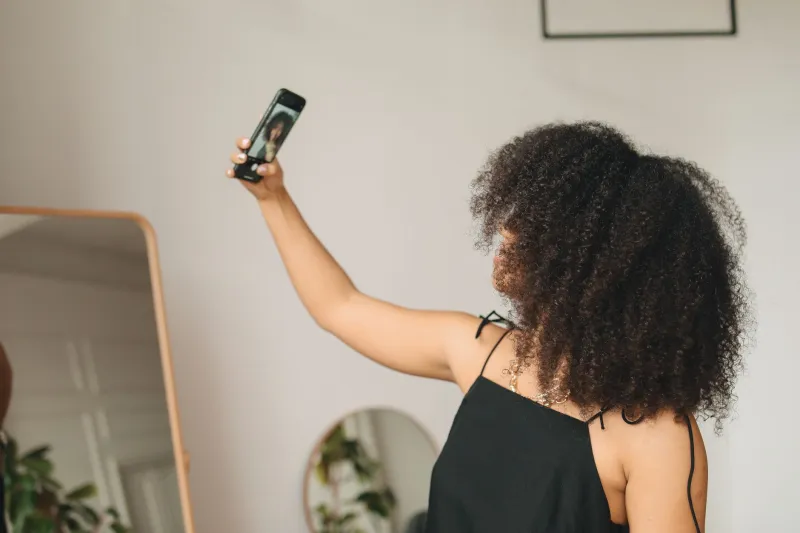
There's a creator you watch. Maybe they do cozy morning vlogs. Maybe they talk about mental health with a kind of raw honesty that feels rare. Maybe they just make you laugh in a way that somehow cuts through a genuinely terrible week.
You've watched enough of their content that you know their dog's name, their mom's deal, the breakup that wrecked them two years ago. They feel familiar. Safe, even.
And somewhere along the way — quietly, without any formal announcement — they became one of your main sources of emotional comfort.
You're not alone in this. Not even close.
The Comfort Creator Phenomenon
Let's put a name to what's happening. The "comfort creator" is a specific kind of parasocial relationship — one where a viewer turns to a particular creator not just for entertainment, but for something that functions a lot like emotional support. It might look like rewatching old videos when anxiety spikes. It might look like turning on a familiar voice while crying after a hard day. It might look like making a major life decision — a career change, ending a relationship, moving to a new city — at least partially based on something a creator said in a video.
This isn't fringe behavior. Studies on parasocial relationships have been growing since the pandemic, when millions of Americans found their in-person support networks suddenly inaccessible. Researchers at institutions like the University of Wisconsin have noted that parasocial bonds can activate the same neurological pathways as real social connection. For a lot of people, especially those dealing with loneliness, anxiety, or limited access to mental health care, that substitute started filling a real gap.
And the creators? Most of them have no idea how deep that gap goes for the people watching them.
Why It's Happening Now
A few things are converging at once to make this the norm rather than the exception.
Therapy is still inaccessible for a huge portion of the US population — whether that's due to cost, waitlists, stigma, or simply not knowing where to start. The average cost of a therapy session without insurance runs anywhere from $100 to $200. That's a significant barrier for a lot of people in their twenties and thirties who are also dealing with student debt, housing costs, and entry-level salaries.
At the same time, the creator economy has exploded. The people making content today are more personal, more confessional, and more emotionally available than traditional media figures ever were. A TV host doesn't know your name. A creator who responds to comments, does Q&As, and shares their own therapy journey? That person feels present in a way that's genuinely different.
Add to that the algorithm-driven intimacy of short-form video — the way TikTok or YouTube Shorts trains you to watch someone's face for fifteen seconds at a time, repeatedly, until their expressions feel as familiar as a close friend's — and you've got a recipe for attachment that moves fast and runs deep.
The Line Nobody's Drawing
Here's the part that gets complicated: most creators who step into this space aren't doing it cynically. They share their mental health struggles because it's real and it helps to talk about it. They offer advice because their audience asks for it and it feels good to be useful. They create a sense of community because connection is genuinely valuable.
But "relatable" is not the same as "qualified." And "authentic" is not the same as "accountable."
A creator who talks openly about their own anxiety is not your therapist. A creator who makes thoughtful videos about leaving toxic relationships is not your life coach. The advice might be good. The intention might be genuine. But there's no licensing board, no continuity of care, no liability, and critically — no actual knowledge of your specific situation.
The problem isn't that creators are talking about hard stuff. The problem is that the relationship is structurally one-directional, and that asymmetry matters when someone is genuinely struggling.
When your therapist goes on vacation, they have a coverage plan. When your creator takes a mental health break — or burns out, or pivots their content, or just disappears — there's nothing. No handoff, no referral, no explanation. Just silence where comfort used to be.
What Happens When They Go Quiet
Ask anyone who's been through a "creator going dark" moment with someone they genuinely relied on, and you'll hear something that sounds a lot like grief. Not the dramatic kind, necessarily. More like a low-grade disorientation. A missing piece in the routine.
This is especially true when the creator was filling a specific emotional function — helping someone feel less alone in their anxiety, for example, or modeling what recovery from a hard experience could look like. When that voice goes away, the need it was meeting doesn't go away with it.
This is where the "comfort creator" dynamic can quietly become a vulnerability. Not because the relationship was fake — it wasn't, on the viewer's end — but because it was built on a foundation that was never designed to hold that much weight.
Holding Both Things at Once
None of this is an argument for disconnecting from creators you love or shaming yourself for finding comfort in content. The connection is real. The comfort is real. And honestly? Some creators are doing genuinely meaningful work in mental health communication, community building, and destigmatizing conversations that don't happen enough in everyday life.
But it's worth being honest with yourself about what role someone's content is playing in your life — and whether there are needs underneath that could use a different kind of support.
If a creator's voice is the first place you go when things get hard, that's worth noticing. Not judging — noticing. Because you deserve support that can actually show up for you in both directions.
The creator doesn't know you're struggling. But someone in your life probably can.