You Watch Their Stories Every Day — But You Haven't Texted Them Back in Three Weeks
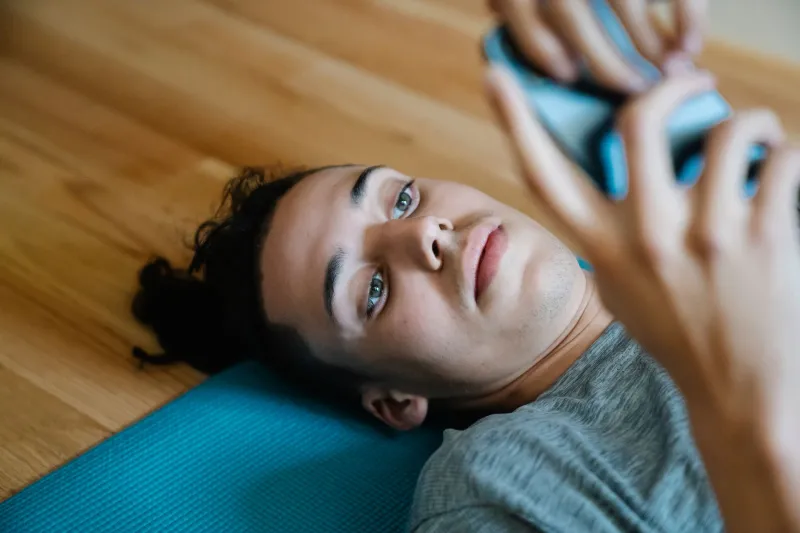
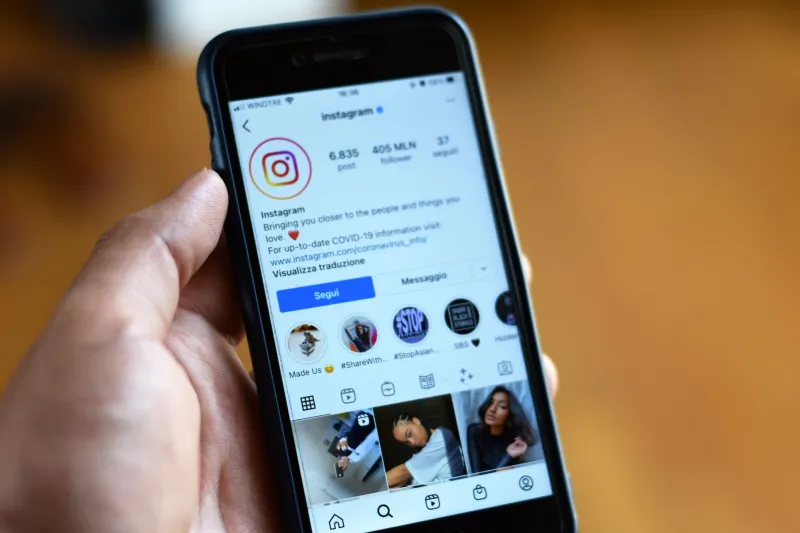
Here's a scenario that probably hits closer to home than you'd like: there's a person — maybe an old college friend, a coworker from two jobs ago, a hometown acquaintance — whose Instagram Stories you watch religiously. You know they just redecorated their apartment. You know they're going through something with their sister. You know their coffee order because they post it like it's breaking news every single morning.
And yet, if they texted you right now asking to grab lunch, you'd probably leave it on read for a week and a half.
Welcome to one of the strangest emotional dynamics of the internet age — the mutual follower paradox, where the people we feel most connected to online are often the ones we're least likely to actually connect with.
The Illusion of Intimacy, Served Fresh Daily
Social media was supposed to bring us closer. And in some ways, it genuinely did. But somewhere along the way, watching someone's life started to feel like being part of it — and that's where things get weird.
When you follow someone and they follow you back, there's this unspoken social contract. You're in each other's world. You see their posts, they see yours. It feels reciprocal. It feels like friendship, or at least something adjacent to it.
But here's the thing: that sense of intimacy you're feeling? It's almost entirely one-directional — and it's being manufactured by design.
Every time someone posts a Story, they're essentially handing you a curated window into their life. You're watching without consequence. No small talk required, no emotional labor, no scheduling conflicts. It's the easiest version of caring about someone that has ever existed. And because it's so frictionless, your brain files it under connection even when it's really just consumption.
Why Strangers Feel Closer Than People You Actually Know
This gets even wilder when you factor in the accounts you follow but don't actually know. Maybe it's a creator you found through a mutual, or someone whose aesthetic just resonated with you one random Tuesday. You've never met. They have no idea you exist. But you've watched enough of their content that you feel like you get them.
Psychologists call this a parasocial relationship — a one-sided emotional bond where one person invests real feelings into someone who doesn't know they're alive. And before you say "that's not me," just think about the last time a creator you follow went through something hard and you genuinely felt bad for them. Not performatively. Actually felt it.
Yeah. That's the thing.
Parasocial bonds aren't inherently bad, but they do something sneaky: they satisfy the emotional craving for connection without requiring any of the vulnerability that real connection demands. You get the warm feeling of knowing someone without any of the risk of being known back.
And when that's available 24/7 via your phone, the actual humans in your life — the ones who might push back, need something from you, or require real emotional presence — start to feel like a lot more work.
The Mutual You're Ignoring Is Right There
Here's where the paradox really bites: while you're emotionally investing in people who don't know your name, there are probably real mutuals — people who genuinely follow you back, watch your Stories, maybe even care about you — who you're completely overlooking.
Think about who liked your last three posts. Really think about it. There are probably names in there you haven't thought about in months. People who are, in their own quiet way, keeping up with you. Cheering you on from a distance. Doing exactly what you're doing with the people you're watching.
And both of you are just... orbiting each other. Silently. Indefinitely.
It's not malicious. Nobody's being a bad friend on purpose. It's just that the platform experience is optimized for passive engagement, not active relationship-building. Liking a post takes one tap. Actually reaching out takes intention, and intention takes energy, and energy is something most of us are running low on.
How We Redefined 'Friendship' Without Noticing
At some point — and nobody sent a memo about this — we collectively agreed that following someone counted as maintaining a relationship with them. That watching their content meant we were still in each other's lives. That the occasional reaction emoji on a Story was a form of staying in touch.
And honestly? On some level, it kind of is. This isn't a "social media bad" screed. Digital connection is real connection. Feeling like you know someone through their content isn't delusional — it's just a new kind of knowing.
But there's a spectrum here, and a lot of us have drifted way toward the passive end of it without realizing it. We've outsourced our sense of closeness to algorithms that serve us content from people we'd never actually call, while the people we would call are getting our silence instead of our time.
The friendship bar has quietly lowered, and we all helped lower it.
So What Do You Actually Do With This?
Nobody's saying you need to text every mutual follower a heartfelt check-in message tonight. That would be chaotic and honestly a little alarming for everyone involved.
But it might be worth sitting with the question: who am I actually close to online, versus who do I just feel close to? Those are two very different things, and the gap between them is where a lot of quiet loneliness lives.
If there's someone in your mutuals whose posts you genuinely enjoy — someone you'd actually want to know better — maybe the move is to say something. Not a like. An actual comment, a reply, a "hey, that thing you posted last week really resonated with me." It sounds small, but it's the difference between observing someone's life and being a part of it.
And if there's someone who's been texting you that you keep meaning to respond to? Maybe start there.
The internet gave us the ability to feel connected to hundreds of people at once. What it didn't give us — and what we have to build ourselves — is the ability to actually be connected to the ones who matter.
Your feed will always have someone new to watch. The people worth keeping won't wait forever.