Clicking Unfollow Used to Feel Like a Breakup — So Why Does It Still Sting a Little?

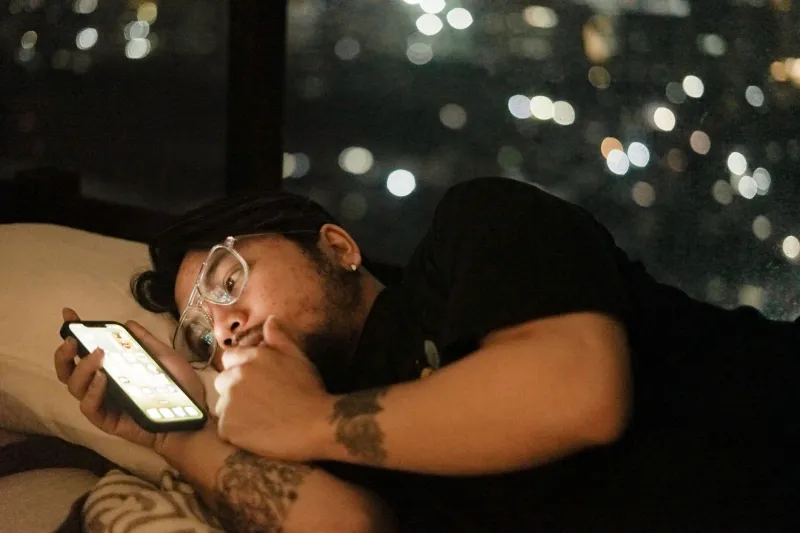
Photo by Photo by Jonas Leupe on Unsplash on Unsplash
Somewhere around 2022, a quiet cultural shift started happening online. People — especially younger users — stopped treating the unfollow button like a grenade. No subtweets. No passive-aggressive finsta posts. No dramatic announcement that they were "cleaning up their feed." Just a clean, silent click and move on.
The internet called it "soft boundaries." Therapists called it healthy. Gen Z made it a whole personality trait. And honestly? Good for them.
But here's the thing nobody really talks about: even after you've intellectually accepted that unfollowing someone is totally fine and actually kind of necessary, there's still this weird little ghost feeling that hangs around. Like you did something you shouldn't have. Like you owe someone an explanation you never gave.
So what is that? And why won't it fully go away?
The Guilt Trip Was Built Into the Platform
Let's be real — social media platforms were never designed to make leaving easy. The whole architecture of apps like Instagram, Twitter/X, and even TikTok is built around accumulation. More followers, more connections, more engagement. Every follow you gain is a win. Every one you lose is a small ding on the scoreboard.
Dr. Pamela Rutledge, director of the Media Psychology Research Center, has written extensively about how social platforms exploit our need for social belonging. "The design of these apps mirrors real-world social cues," she's explained in interviews. "When you follow someone, it signals interest and connection. When you unfollow, the platform — and our brains — interpret it as rejection."
In other words, the guilt wasn't organic. It was engineered. You were trained to feel it.
And now that more people are consciously pushing back against that conditioning, the behavior is shifting — but the emotional residue? That takes a little longer to clear out.
Why Younger Users Are Leading the Detox
If you spend any time on TikTok or follow digital culture at all, you've probably noticed that the "unfollow without explanation" norm is being championed loudest by people in their late teens and twenties. And it makes sense when you think about where they came from.
Millennials built their entire social identity on MySpace top eights and Facebook friend counts. The number meant something. Unfriending someone in 2009 was practically a public declaration of war. That generation carried a lot of that anxiety straight into adulthood and onto every new platform that came after.
Gen Z, though, grew up watching that play out — and they clocked how exhausting it was. They've been more willing to treat social media as a tool rather than a social contract. You follow accounts that serve you. When they stop serving you, you leave. No ceremony required.
Digital behavior researcher Dr. Crystal Abidin, who studies influencer culture and platform behavior, has noted that younger users are increasingly adopting what she calls "low-maintenance social graph management" — essentially, they're treating their feed like a living document rather than a permanent record of every relationship they've ever had.
That's a genuinely healthy shift. But it doesn't mean the old programming disappears overnight.
The Residue Isn't Guilt — It's Something Else
Here's where it gets interesting. Talk to people who've fully embraced the quiet unfollow, and most of them will tell you the same thing: they don't feel guilty exactly. It's more like... a weird awareness. A slight self-consciousness. Almost like waiting to get caught.
Psychologists have a name for this: it's called anticipated social judgment. Even when you know you haven't done anything wrong, your brain runs a quick simulation of how someone else might perceive it. You're not guilty — you're just pre-loading the conversation you might have to have if they notice.
Dr. Sherry Cormier, a licensed psychologist and author, has talked about how social anxiety doesn't require an actual audience. "We internalize social norms so deeply that we police ourselves even in private moments," she's noted. "Clicking unfollow is a private act — but it doesn't feel that way because we know, technically, it's detectable."
And that's the kicker. You can unfollow someone silently, but there's always the chance they'll check. Apps like Instagram don't send notifications for unfollows, but third-party tools exist. People notice. So even in a world where the act itself is normalized, the possibility of discovery keeps the nervous system slightly on alert.
Performative Friendship Was the Real Problem All Along
Zoom out for a second and look at what we're actually talking about here. The reason unfollowing ever felt like such a big deal is because we were all, to some degree, performing friendships we didn't actually have.
You followed your coworker's cousin because you met them once at a birthday party. You kept following that girl from high school because unfollowing felt meaner than just... never interacting. You followed back the person who followed you because refusing felt rude, even though you'd never met them in your life.
All of that is performative. It's social maintenance theater. And the unfollow guilt was the tax you paid for participating in it.
The fact that younger users are opting out of this — and that even older users are slowly following suit — is genuinely encouraging. It suggests we're starting to value authentic connection over the appearance of connection. A smaller, more intentional feed over a massive, hollow one.
As the saying goes: quality over quantity. Turns out it applies to your following list too.
So What Do You Do With the Leftover Weird Feeling?
Honestly? You sit with it for a second and then let it go.
That residual self-consciousness isn't a sign that you did something wrong. It's just old code running in the background — programming from a version of the internet that treated every digital connection like a binding social agreement. You don't have to delete the code overnight. You just have to stop letting it make decisions for you.
A few things that actually help:
- Audit your reasons, not your actions. Ask yourself why you unfollowed. If the answer is "their content wasn't for me anymore" or "I needed a healthier feed" — that's enough. You don't owe anyone a press release.
- Separate the person from the account. Unfollowing someone's Instagram doesn't mean you hate them as a human. These are not the same thing, even though our brains keep trying to conflate them.
- Notice if the feeling is actually about something else. Sometimes the weirdness after an unfollow is really about a real-world relationship that's drifted. The app is just where you finally acknowledged it.
The unfollow guilt era is winding down. Good riddance, honestly. But the work of unlearning performative friendship — of building an online life that actually reflects who you are and what you need — that's a longer project.
You're already further along than you think.